Generative Medical Intelligence
Multimodal diffusion models that transform sketches, text, and limited annotations into coherent 3D CT/MRI volumes and anatomical masks.
Scientific AI · Generative Modeling · 3D Vision
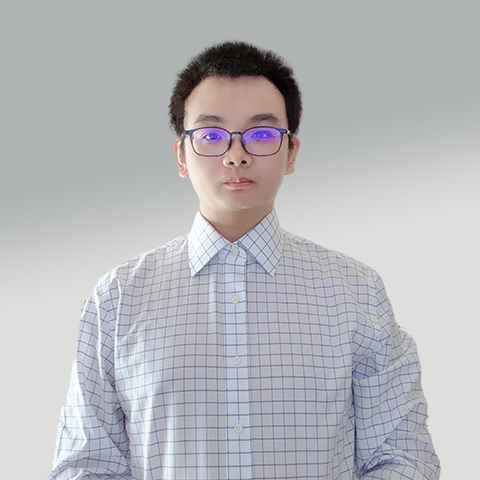
Postdoctoral Researcher at Cornell University
Ph.D. in Computer Science and Engineering University of Notre Dame
I develop data-efficient, geometry-aware AI that turns sparse observations into reliable 3D representations for medical imaging, scientific computing, and embodied perception.
Research agenda
My work brings together images, masks, and geometry to help AI systems understand structure, not just appearance. I focus on controllable methods that account for uncertainty and remain useful beyond the benchmark.
Multimodal diffusion models that transform sketches, text, and limited annotations into coherent 3D CT/MRI volumes and anatomical masks.
Geometry-aware learning for surface reconstruction, simulation-ready modeling, and interpretable analysis of complex scientific structures.
Perception-to-control systems that connect visual intelligence with wearable robotics, adaptive locomotion, and real physical interaction.
Selected work
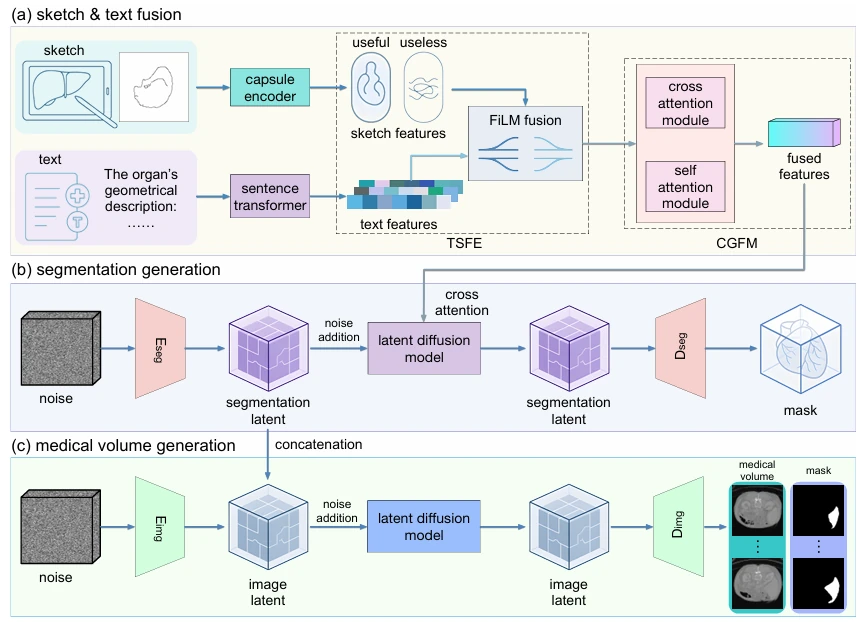 CVPR 2026
 A two-stage latent-diffusion framework that turns a sketch and text prompt into structurally coherent 3D masks and CT/MRI volumes.
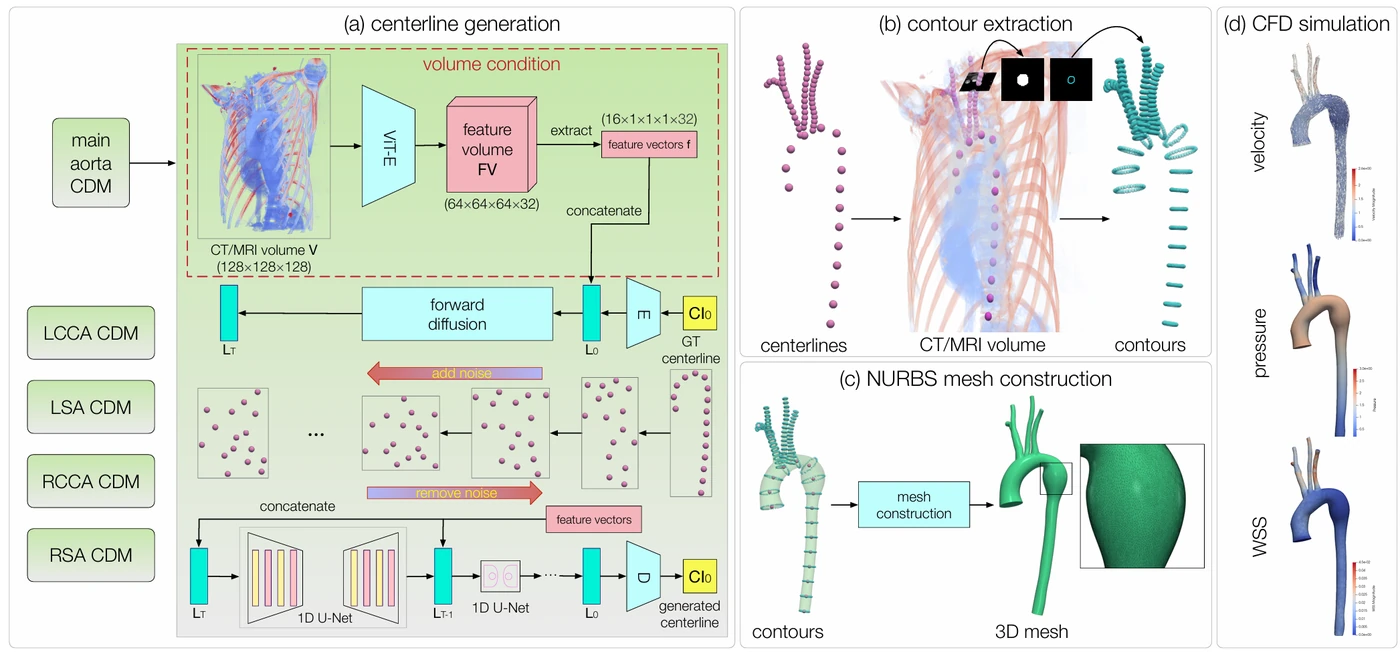 VIS 2025
 Volume-guided conditional diffusion for robust centerline extraction and smooth, multi-branch aortic surface reconstruction.
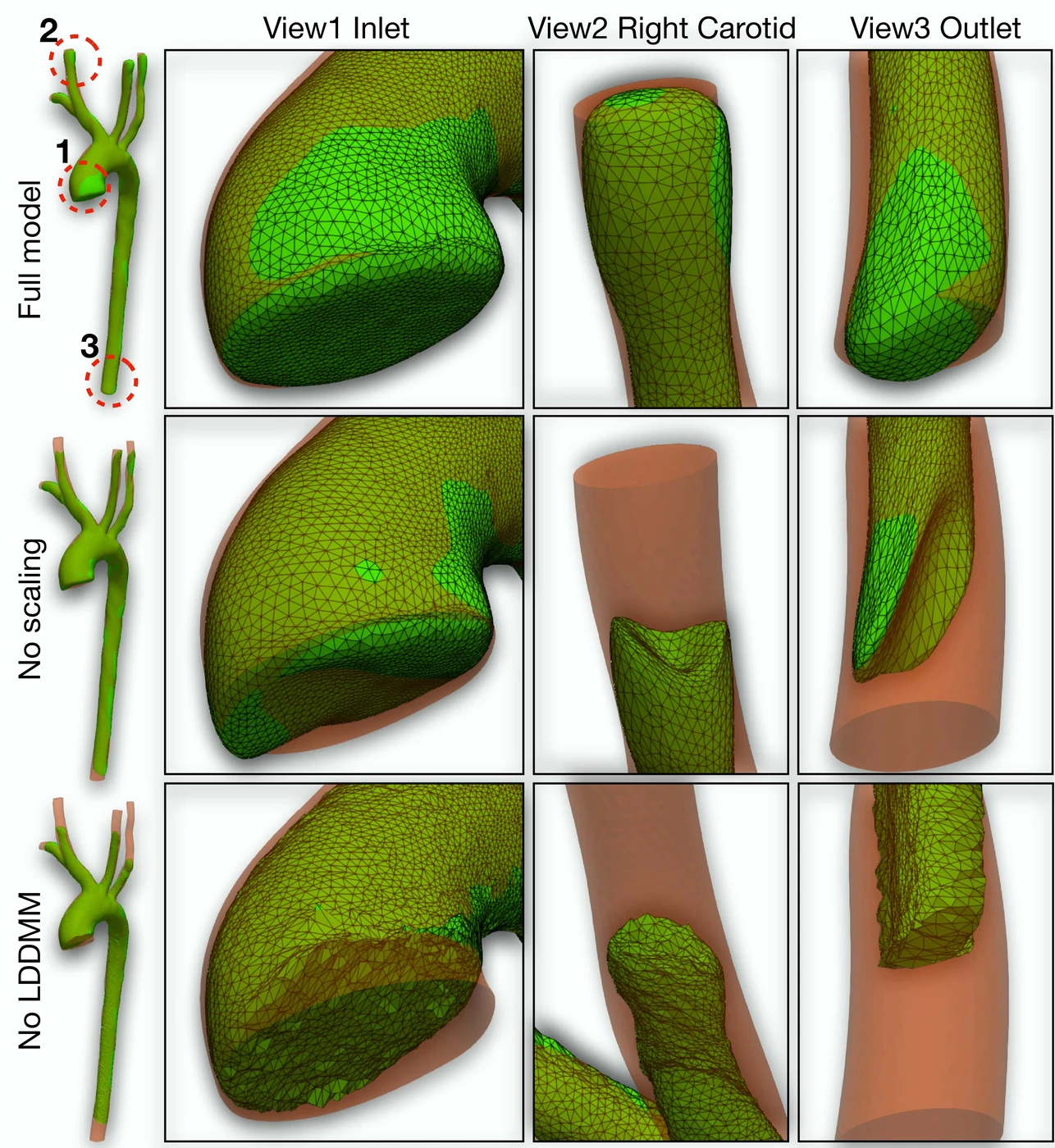 Sci. Adv.
 An end-to-end AI pipeline from medical scans to patient-specific, CFD-ready aortic models for automated flow simulation.
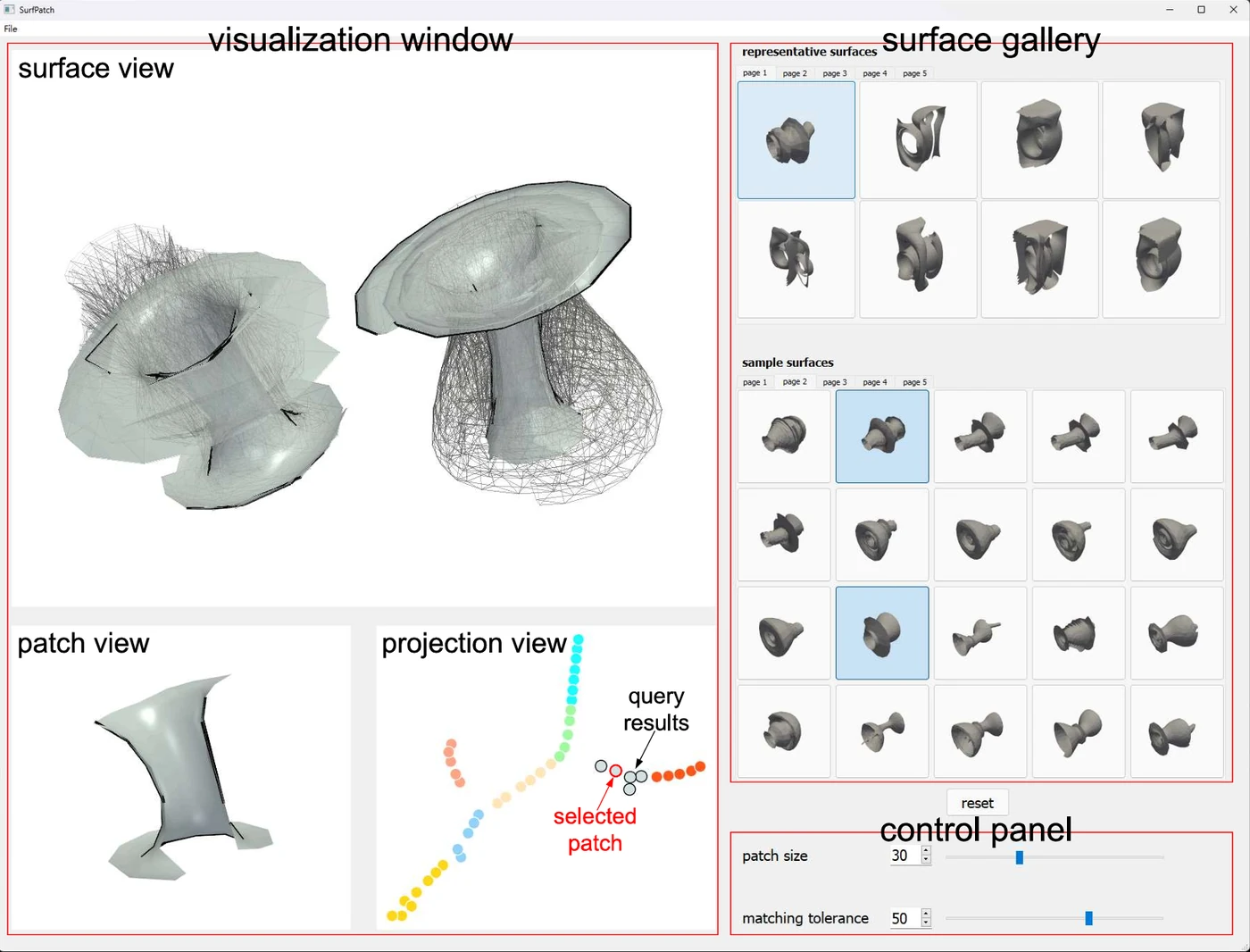 TVCG 2025
 Multiscale surface-patch matching and interactive visual analytics for exploring complex 3D flow structures.
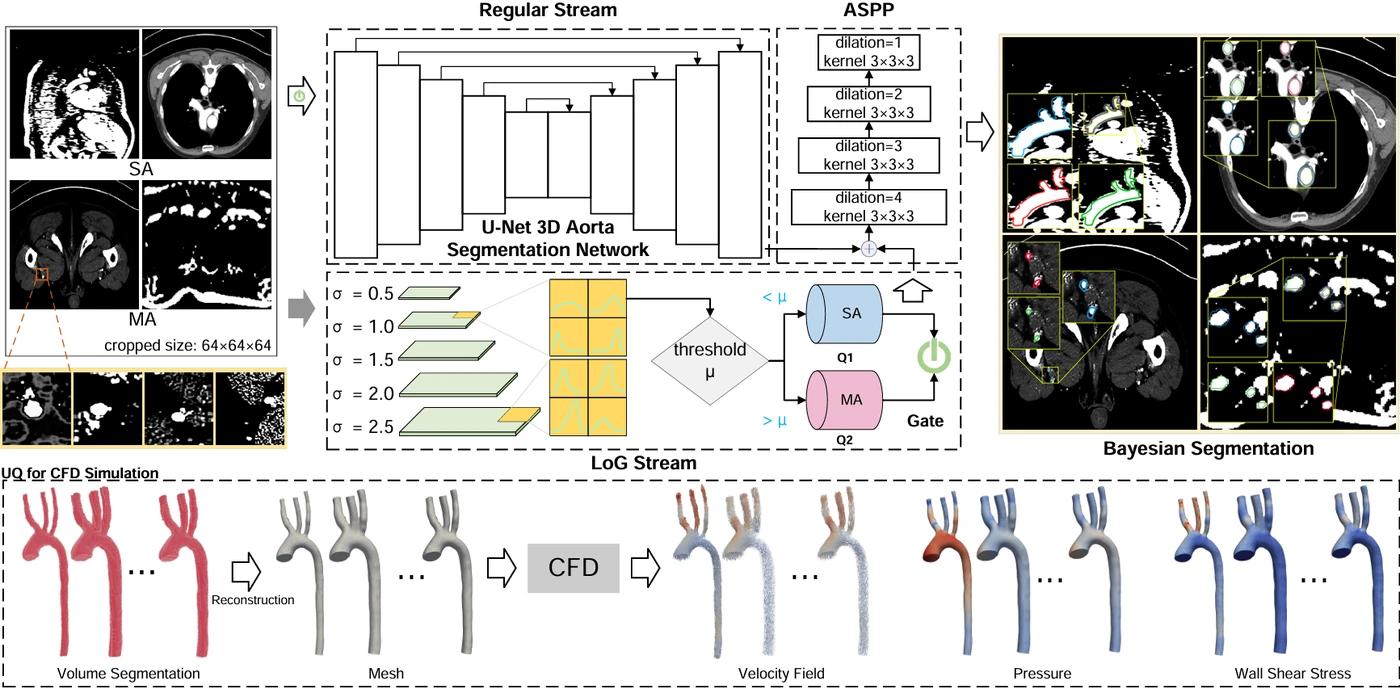 ISBI 2025
 A hierarchical Bayesian network for accurate, uncertainty-aware aorta segmentation in volumetric medical images.
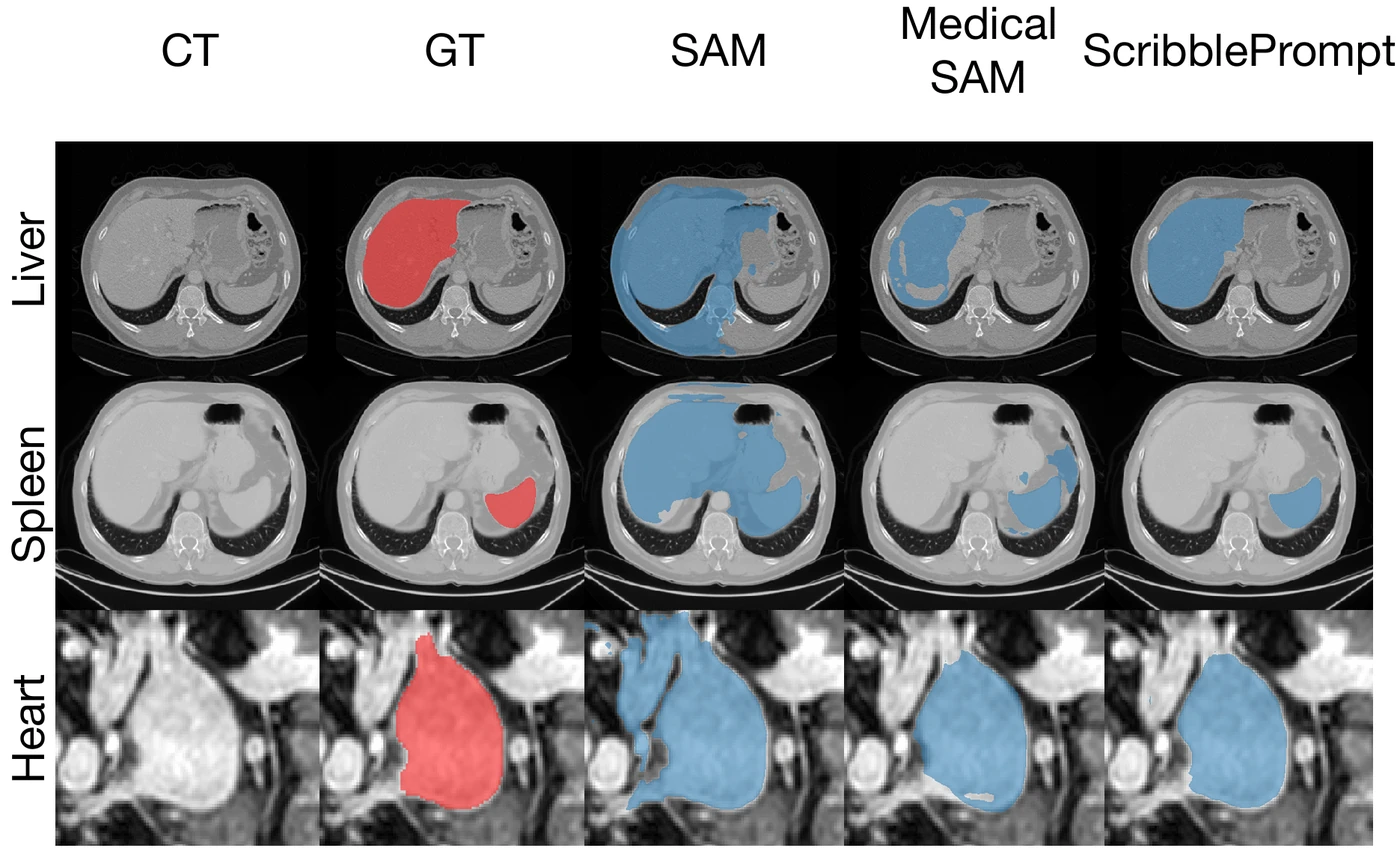 WACV 2025
 Object-guided correspondence flow propagates a single annotated slice through an entire 3D volume with strong structural consistency.
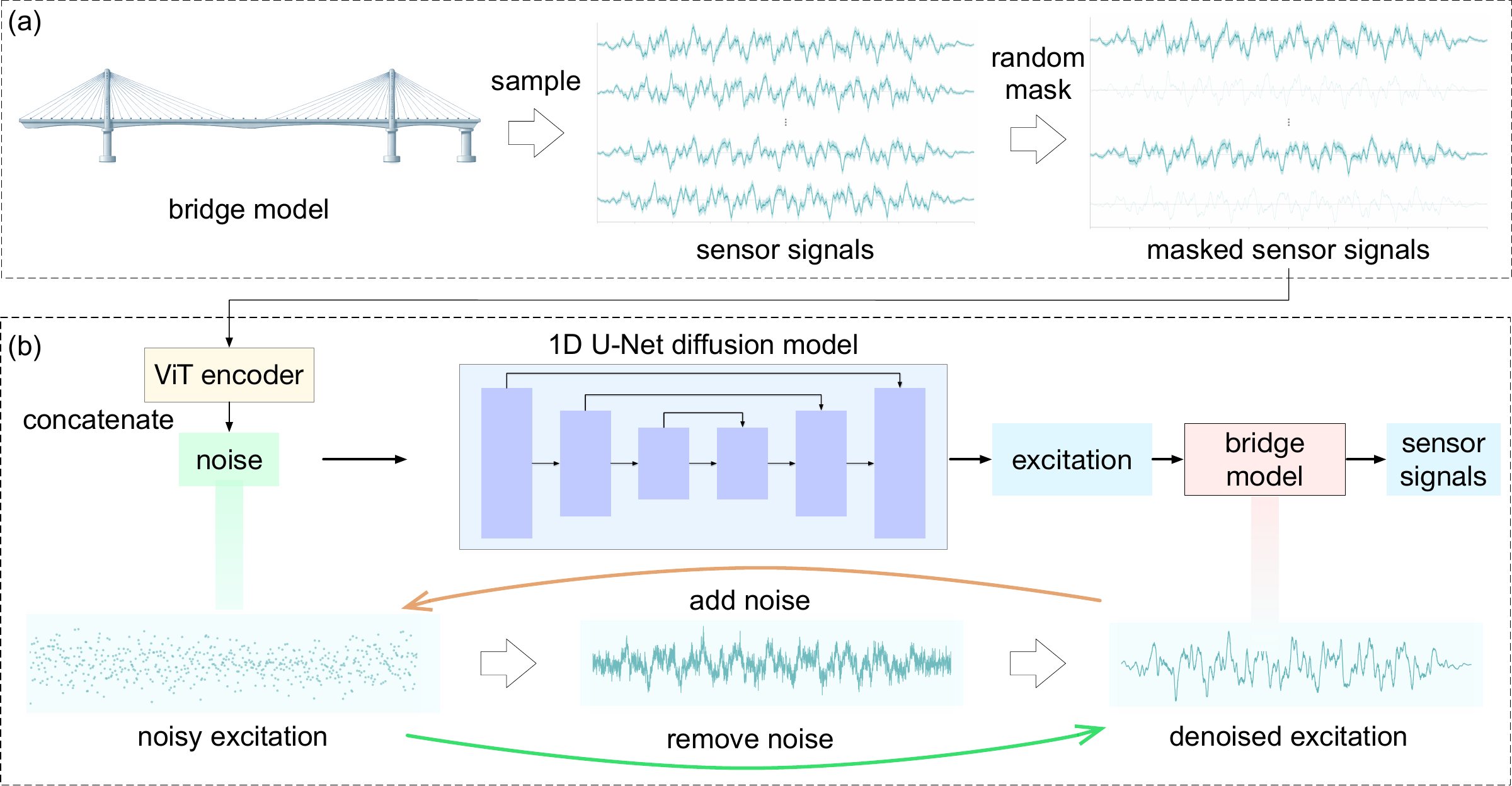 AEI 2027
 Conditional diffusion models recover ground motion from sparse structural responses while accounting for uncertainty in structural dynamic systems.
Academic path
My path from mechanical engineering and wearable robotics to computer science shapes how I build AI: grounded in geometry, physical systems, and deployable outcomes.
Download full CVAcademic appointment
Postdoctoral Researcher · Scientific machine learning and generative modeling
Doctoral education
Ph.D. in Computer Science and Engineering · GPA 3.8 / 4.0
Graduate education
M.Eng. in Mechanical Engineering · Robotics and perception
Undergraduate education
B.Eng. in Mechanical Engineering · Top 10%
Recognition
Recognition spanning scientific AI, graduate research, robotics, and academic excellence.
Inaugural fellow and the first and only recipient selected from Notre Dame's Department of Computer Science & Engineering.
Competitive support for graduate research, professional training, and scholarly development.
Third Prize in the National Graduate Robotics Contest and Grand Prize in the Robot Creativity Contest.
Special Scholarship, First-Class Scholarship, People's Scholarships, and Outstanding Graduate recognition.
Now & next
New paper in Advanced Engineering Informatics: conditional diffusion for ground motion identification under uncertainty. Co-first author.
Joined Cornell University as a Postdoctoral Researcher, working on scientific machine learning and generative modeling.
Successfully defended my Ph.D. dissertation at the University of Notre Dame.
Sketch2CT: Multimodal Diffusion for Structure-Aware 3D Medical Volume Generation was accepted to CVPR 2026.
Our patient-specific aortic modeling work was published in Science Advances.
AortaDiff was accepted to IEEE VIS 2025 and IEEE TVCG.
Collaborate
I am open to conversations around scientific AI, generative modeling, 3D medical imaging, and embodied intelligence.
da568@cornell.edu